Your Tools Shape Your Thinking
The software you use every day is not neutral. It bends your creative process in ways you do not notice until you switch.
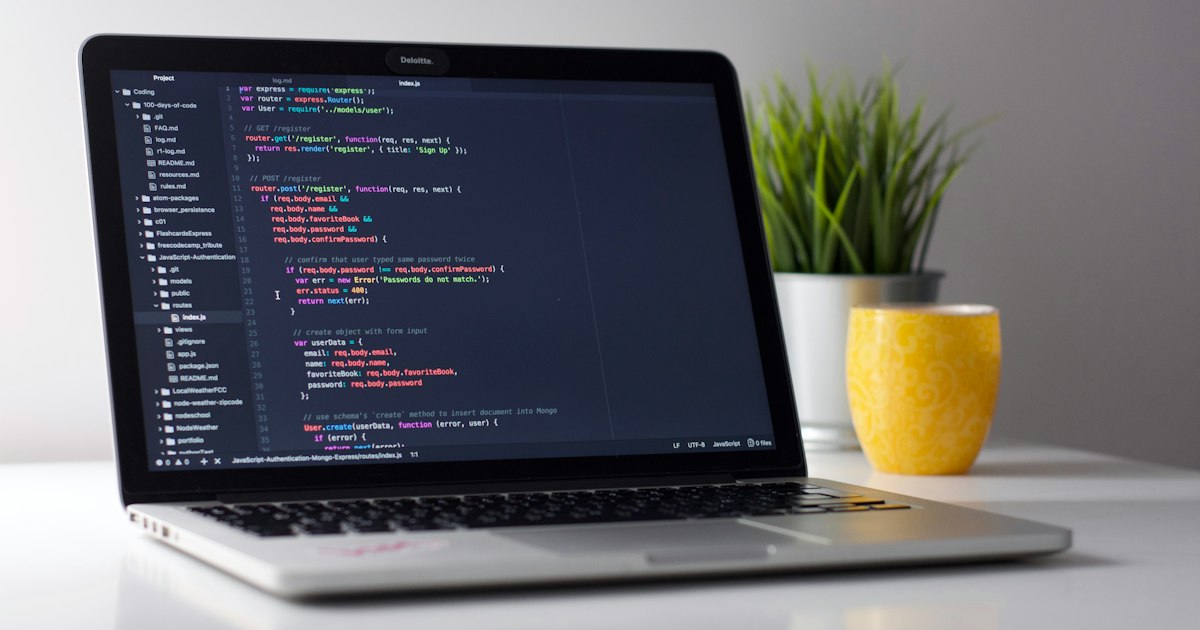
I switched text editors last month. Not for any dramatic reason — I just wanted to see what would happen.
Within a week, I was writing differently. Not better or worse, exactly, but differently. The affordances of the tool were reshaping my habits in real-time.
The medium shapes the message
Marshall McLuhan was talking about television, but the principle scales down beautifully. The text editor you use changes how you structure thoughts. The design tool you reach for first changes what you design. The framework you’re most comfortable with changes what you build.
This isn’t hypothetical. I’ve watched it happen repeatedly:
- Designers who live in Figma build component-driven layouts. Designers who sketch first build more organic compositions.
- Developers who reach for React default to component hierarchies. Those who start with vanilla HTML think in documents.
- Writers who use Notion organize in databases. Writers who use plain text files organize in folders.
None of these are wrong. But none are neutral.
The comfort trap
The most dangerous phrase in creative work is: “This is how I always do it.”
When a tool becomes invisible — when you stop noticing it — it’s simultaneously at its most powerful and most limiting. You’re moving faster, yes. But you’re also moving along predetermined rails.
“We shape our tools, and thereafter our tools shape us.” — John Culkin (often attributed to McLuhan)
Breaking the loop
I’m not suggesting you abandon your tools. I’m suggesting you rotate them periodically. Here’s what I’ve found useful:
- Write in a different app once a month. If you use Notion, try Obsidian. If you use VS Code, try Zed.
- Design without your component library occasionally. Start from an empty canvas.
- Build a project in a framework you don’t know. The discomfort is the point.
- Use paper. Seriously. The constraint of a physical medium unlocks spatial thinking that screens suppress.
The meta-skill
The ability to recognize how your tools influence your output is itself a skill — maybe the most underrated one in creative work. It’s a form of metacognition: thinking about how you think.
And like all metacognition, it requires distance. You can’t see the water when you’re the fish.
So every few months, climb out of the water. Flop around awkwardly for a while. Then go back in.
You’ll see the water differently.

Written by the Editor
Exploring the craft of building for the web. Design, code, and everything in between.